For most of the last few decades, a septic system on a Northern Neck waterfront sale meant one thing at closing: an inspector walked the yard, probed the ground with a rod, and signed off. The whole process could run under $100 and rarely held anything up. That era ended on July 1, 2025.
Two rules now govern what happens to the tank buried somewhere in the yard of a Carter's Creek cottage before the keys change hands, and most sellers only know about one of them. The state law gets the headlines. The county rule is the one that's been quietly running in the background for years, and it treats waterfront property differently from everything else in Lancaster County.
The Water Is The Draw. The Septic Tank Is The Catch.
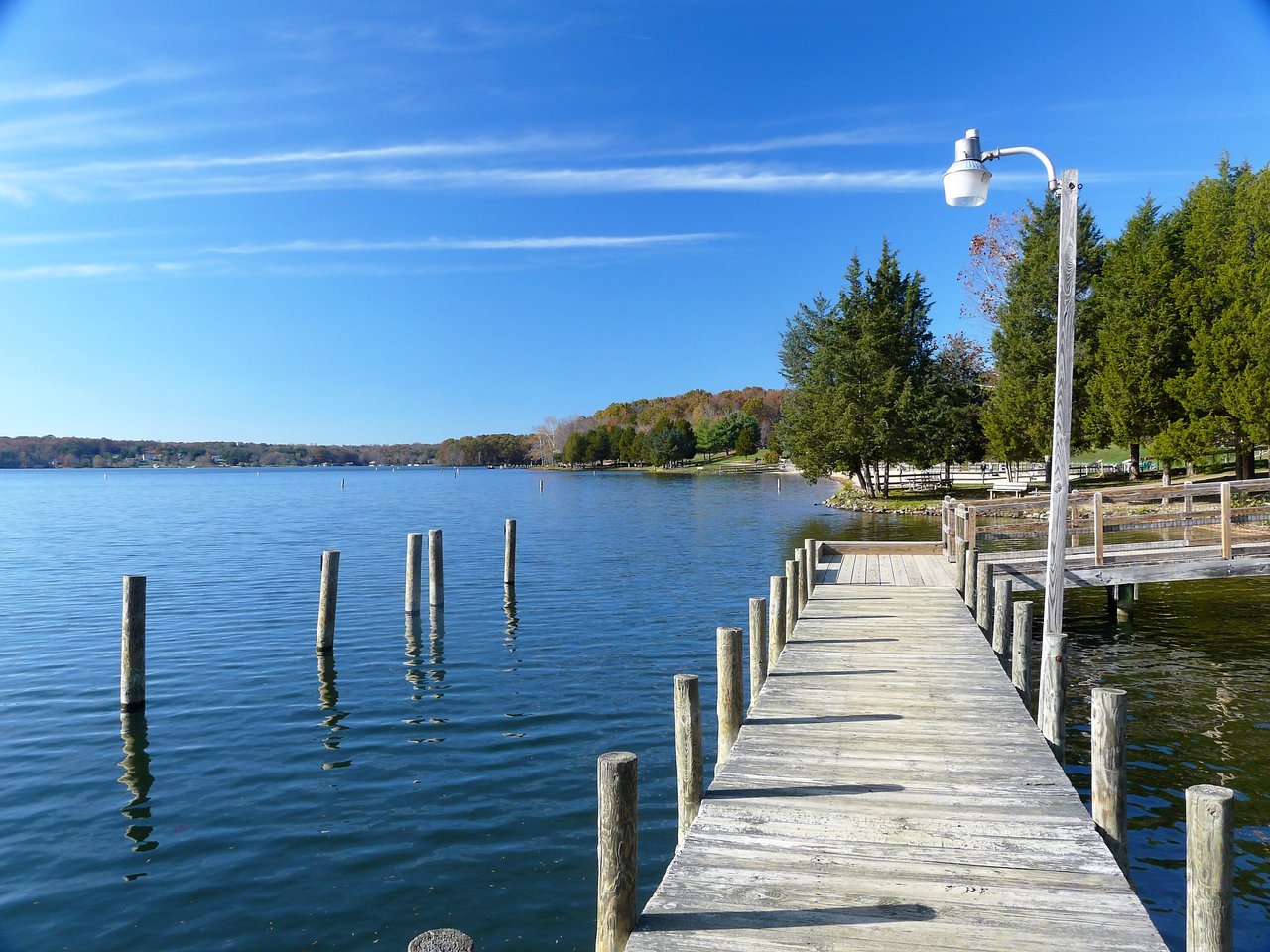
Irvington's appeal has always been the shoreline: Carter's Creek wrapping around the town, piers within walking distance of King Carter Drive and Steamboat Road, water views that don't require a boat to enjoy. What's easy to forget from a listing photo is that almost none of that waterfront housing stock sits on public sewer. Lancaster County's own land-use planning documents put it plainly: on-site sewage facilities are the default for development in the county, not the exception, and county studies have long documented that roughly 83% of private residences here rely on septic systems for sewage disposal.
That matters more on the water than it does inland. Lancaster County has designated every acre within its borders as a Chesapeake Bay Preservation Area, which means every septic system in the county, whether it sits on three acres outside Irvington or a quarter acre on Carter's Creek, falls under the same water-quality oversight. The system under a waterfront lawn isn't just a mechanical component. It's the thing standing between a family's plumbing and the creek forty feet away.
The Rule That Just Changed
House Bill 2671 was signed by Governor Youngkin in March 2025 and took effect July 1, 2025, and it rewrote what a septic inspection has to include anywhere in Virginia when one is requested as part of a real estate transaction. The old rod-and-probe walkover, cheap and largely visual, no longer satisfies the minimum standard. A complete inspection under the new law now has to include pumping the tank so the inspector can actually see the baffles, the tank walls, and the distribution box, not just guess at their condition from the surface.
The inspection also has to be performed by someone licensed through Virginia's Department of Professional and Occupational Regulation, either as an onsite sewage system operator or a soil evaluator, and the inspector has to deliver a written report within 10 business days. A standard inspection now runs $300 to $500 rather than the old walkover price, and it takes real time on site, typically an hour and a half to three hours depending on the system.
One nuance worth sitting with: HB 2671 doesn't force every Irvington sale to include a septic inspection. It sets the floor for what an inspection has to cover when a lender, a real estate licensee, a buyer, a seller, or another party to the transaction requests one. Whether an inspection happens at all is still a matter of contract negotiation between buyer and seller, the same way it always was. What changed is that once someone asks for one, it can't be the $100 walkover anymore.
The Rule That Was Already There, And Hits The Shoreline First
Here's where Irvington's geography adds a second layer most out-of-state buyers never see coming. Because the entire county is a Chesapeake Bay Preservation Area, Lancaster County already requires septic tanks to be pumped or inspected at least once every five years, separate from anything tied to a sale. The county's own pump-out and inspection program is explicitly split into two phases, and Phase I targets waterfront properties first, ahead of the rest of the county's inland systems.
That waterfront-first structure isn't an accident. It reflects where the water-quality risk actually sits: a failing drainfield forty feet from a tidal creek does more damage, faster, than one a half mile inland. Oversight of this pump-out compliance work has also been shifting toward the Virginia Department of Health in recent years under a 2022 Acts of Assembly directive, with a final transition report on that process delivered to state lawmakers in December 2025. The upshot for an Irvington seller is straightforward: a home on the water is more likely to already be sitting inside an active county compliance window, and a buyer's agent who knows to ask for pump-out records is going to ask for them.
Then Versus Now
| Old walkover inspection | HB 2671 complete inspection | |
|---|---|---|
| Typical cost | Under $100 | $300 to $500 |
| What's checked | Visual surface check, rod and probe | Tank pumped, baffles, distribution box, dispersal field |
| Who can perform it | Varied, often unlicensed | DPOR-licensed operator or soil evaluator |
| Report turnaround | Informal, often same day | Written report within 10 business days |
Where This Actually Shows Up At The Closing Table
Stack the two rules together and the practical effect on a typical 30 to 45 day contract timeline becomes clear. A buyer's team requests a septic inspection during due diligence. Scheduling the inspector, arranging a utility locate, pumping the tank, and waiting for the written report can easily eat 10 to 14 days of a due diligence window that used to close in an afternoon. If the county's five-year pump-out window happens to be approaching or already lapsed on a waterfront system, that adds a second thread to untangle before the file is clean.
If a system fails, replacement costs vary widely depending on soil conditions and system type, running anywhere from roughly $8,000 to $40,000. That's not a number to discover during a due diligence period with a closing date already on the calendar. Sellers who order their own inspection before listing get to fix problems on their own schedule rather than a buyer's, and they get to market a passing report as a real point of confidence rather than reacting to one after an offer is already signed.
Older waterfront cottages carry a particular version of this risk. Systems installed decades ago, before current permitting standards existed, are the ones most likely to need real attention when someone finally pumps the tank and looks inside. A home's age and its septic system's age aren't always the same number, and pulling the county health department's permit file before listing is the fastest way to find out which one applies.
Frequently Asked Questions
Does every home sale in Irvington now require a septic inspection? No. HB 2671 sets the minimum standard for what an inspection must cover when one is requested by a buyer, seller, lender, or agent. Whether an inspection happens at all is still negotiated between the parties, the same as before.
Who pays for the septic inspection? The law doesn't assign that cost to either side. In practice it's a negotiation point, and sellers who order their own inspection before listing often use a passing report as leverage rather than waiting for a buyer to request one.
How does Lancaster County's five-year pump-out rule interact with a sale? It runs independently of any transaction. A waterfront property that's due or overdue for its county-mandated pump-out will likely have that gap surface during a buyer's due diligence, since Phase I of the county's compliance program targets waterfront systems first.
What happens if the inspection turns up a problem? That becomes a matter for the purchase contract, typically resolved through seller repairs before closing, a price adjustment, or an escrow holdback, the same three paths that apply to any other failed inspection item.
Selling or buying waterfront in Irvington means understanding both rulebooks before they collide during due diligence, not after. If you're weighing a listing on Carter's Creek or anywhere else in Lancaster County and want a clear read on what a septic file actually shows, Josh Hinson can walk through it with you. Schedule a free consultation to start the conversation.